
The Glacier's Changing Footprint
The Impact Of Climate Change
How Much Has Mendenhall Glacier Changed?
Since the end of the Little Ice Age, Mendenhall Glacier has retreated several miles. Historical measurements, satellite images, and scientific research reveal how much ice has disappeared and how dramatically the surrounding landscape has transformed.
3.4 miles
Total retreat
1 miles
Recent retreat
Approximately 5.5 km between 1760 and 2021
Approximately 1.6 km between 1984 and 2023
130 mile
Peak annual retreat rate
Up to 130 meters per year during 2007–2011

2025
The Glacier Separates From The Lake
In November 2025, scientists reported that Mendenhall Glacier had functionally retreated out of Mendenhall Lake. After decades of calving icebergs into the water, its terminus had pulled back onto land. This marks a major transition in the glacier's ongoing retreat, although seasonal changes can still bring ice and lake water into contact.
Why Is The Glacier Retreating?
01
Rising Temperatures
Warmer air increases surface melting, causing glaciers to lose more ice during the warmer months.
02
Changing Snowfall
Changes in precipitation and the amount of snow that survives summer affect how much new ice glaciers can build.
03
Ice Loss
Melting, thinning, and ice breaking away at the glacier's terminus can contribute to its overall loss of mass.
What Happens When A Glacier Retreats?
As Mendenhall Glacier retreats, the surrounding landscape continues to transform. Newly exposed terrain, changing waterways, and developing ecosystems reveal how glaciers influence the environments around them.

01
Expanding Glacial Lake
Mendenhall Lake developed as the glacier retreated, leaving behind a basin that filled with meltwater.
02
New Plant Growth
As ice uncovers bare ground, mosses, shrubs, and eventually trees can establish themselves, gradually creating new ecosystems.


03
Changing Waterways
Melting ice and glacially dammed lakes can affect local rivers. Outburst floods from Suicide Basin have created serious flooding hazards along the Mendenhall River.
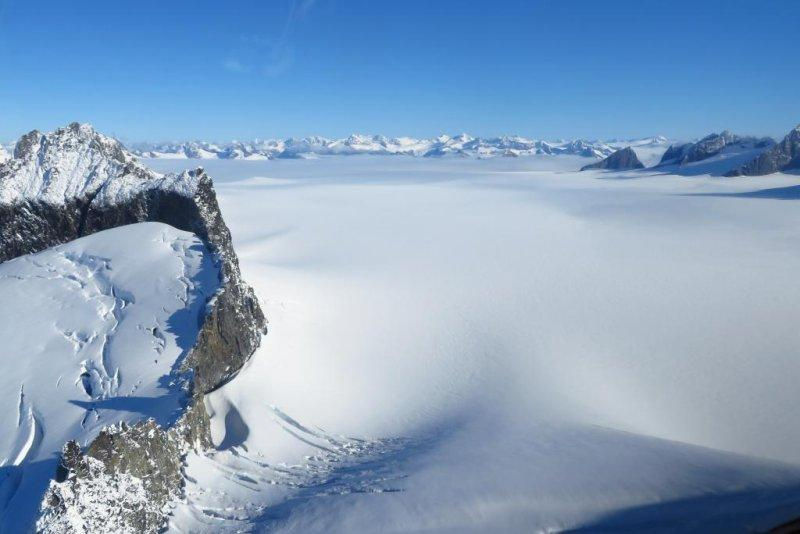
What Does The Future Of Mendenhall Glacier Hold?
Continued warming is expected to drive further ice loss across the Juneau Icefield. Although the exact pace of change depends on future climate conditions, Mendenhall Glacier's retreat is part of a much larger transformation affecting glaciers worldwide.
Protecting the surrounding environment, supporting scientific research, and understanding climate change can help communities prepare for these changes.
Experience Mendenhall Glacier
Mendenhall Glacier is more than a landscape shaped by climate change. It's a place where visitors can witness the beauty of Alaska's wilderness and experience a constantly evolving environment. From scenic hiking trails to breathtaking views of the glacier, discover everything this remarkable destination has to offer.